
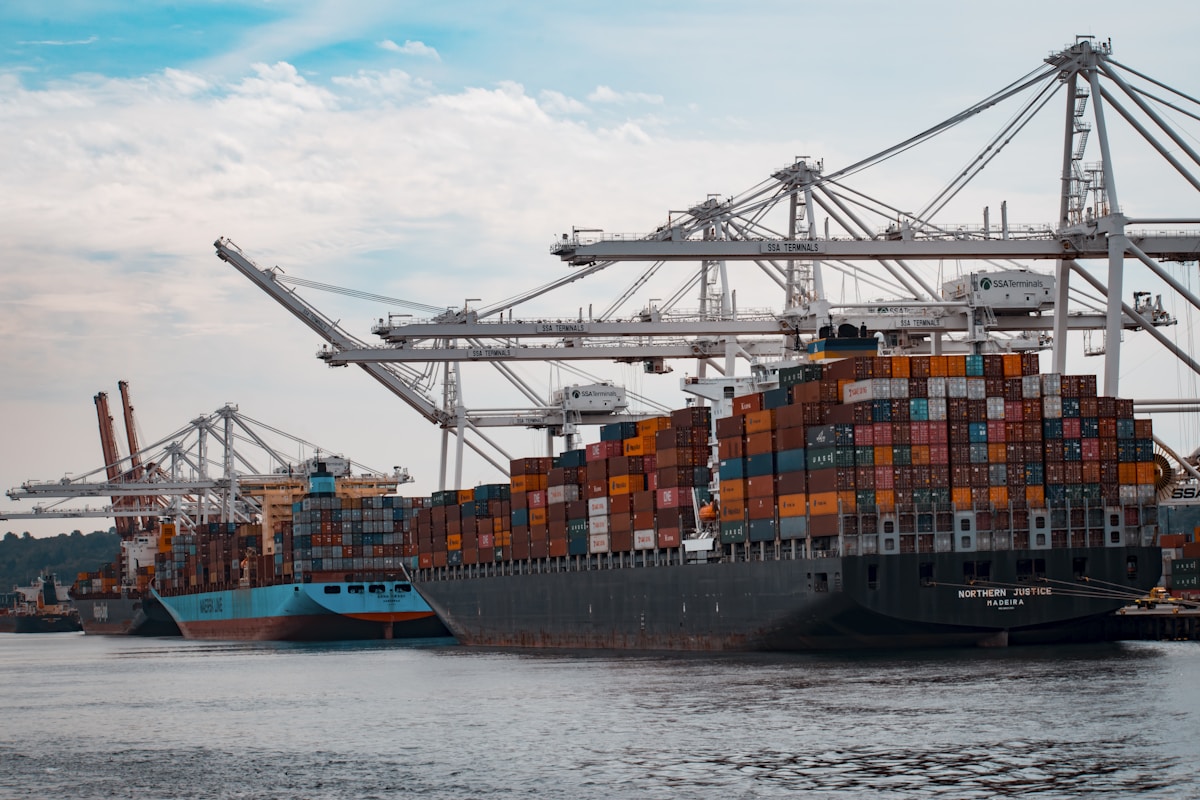
A comprehensive guide to the port registration process in India. Learn about the types of ports, registration procedure, required documents, and compliance requirements for maritime businesses.
What Is Port Registration?
Port registration in India refers to the process of officially registering a vessel, shipping business, or port-related entity with the relevant port authority or maritime regulatory body. This registration is mandatory for businesses involved in shipping, logistics, import-export, and maritime trade. It ensures that all port operations are conducted in compliance with the Indian Ports Act, 1908, the Major Port Authorities Act, 2021, and other applicable maritime regulations.
Port registration is essential for gaining access to port facilities, customs clearance, cargo handling, and other maritime services.
Types of Ports in India
India has an extensive coastline of approximately 7,516 km, dotted with numerous ports. These are classified into two main categories:
| Type | Governed By | Number | Examples |
|---|---|---|---|
| Major Ports | Central Government (Major Port Authorities Act, 2021) | 12 | Mumbai, Chennai, Kolkata, JNPT, Visakhapatnam |
| Minor/Non-Major Ports | Respective State Governments (Indian Ports Act, 1908) | 200+ | Mundra, Pipavav, Dhamra, Krishnapatnam |
Major Ports handle the bulk of India's maritime trade and are directly administered by the Central Government through independent Port Authorities. Minor Ports are administered by respective state maritime boards and have seen significant growth due to privatisation.
Who Needs Port Registration?
The following entities typically require port registration:
- Shipping companies and vessel operators
- Customs House Agents (CHA) / Licensed Customs Brokers
- Freight forwarders and logistics companies
- Stevedoring and cargo handling companies
- Ship chandlers and maritime service providers
- Import-export businesses requiring port access
- Container Freight Station (CFS) operators
Documents Required for Port Registration
The documentation requirements vary depending on the type of registration. Common documents include:
- Certificate of Incorporation or business registration proof
- PAN card of the company and directors
- GST registration certificate
- Import Export Code (IEC) certificate
- Identity and address proof of directors/partners
- Bank account details and financial statements
- Fleet details (for shipping companies)
- Customs Broker Licence (for customs agents)
- Insurance certificates for vessels and cargo
Port Registration Process: Step-by-Step
Step 1: Determine the Appropriate Port Authority
Identify whether you need to register with a major port authority or a state maritime board based on your business operations and geographical location.
Step 2: Obtain Prerequisite Registrations
Before port registration, ensure you have:
- Company incorporation certificate
- GST registration
- Import Export Code (IEC) from DGFT
- Any sector-specific licences (e.g., Customs Broker Licence)
Step 3: Submit Online Application
Most major ports now offer online registration through their respective websites or the Port Community System (PCS)—a centralised digital platform managed by the Indian Ports Association. Visit indianpcs.gov.in to access the registration portal.
Step 4: Upload Required Documents
Upload all required documents in the prescribed format. Ensure document clarity and validity. Common formats accepted are PDF and JPEG.
Step 5: Pay Registration Fees
Pay the applicable registration fees online. Fees vary by port and type of registration. Major ports typically have a standardised fee structure.
Step 6: Verification and Approval
The port authority verifies the submitted documents and may conduct a physical inspection of premises or vessels. Upon successful verification, the registration certificate is issued.
Step 7: Receive Port Registration Certificate
The digital registration certificate is issued through the portal. This certificate is required for all subsequent port operations, customs clearance, and cargo handling activities.
Port Community System (PCS) Overview
| Feature | Details |
|---|---|
| Platform | Indian Port Community System (PCS 1x) |
| Website | indianpcs.gov.in |
| Managed By | Indian Ports Association (IPA) |
| Services | Vessel registration, customs, cargo tracking, billing |
| Coverage | All major ports and many minor ports |
Compliance Requirements After Registration
After obtaining port registration, businesses must adhere to ongoing compliance:
- Renewal: Port registration may need periodic renewal depending on the port authority's rules.
- Safety Compliance: Comply with ISPS (International Ship and Port Facility Security) Code requirements.
- Environmental Standards: Follow pollution control norms set by the port authority and the Ministry of Environment.
- Customs Compliance: Maintain proper documentation for all imports and exports passing through the port.
- Insurance: Keep vessel and cargo insurance active and updated.
How The Ledger Company Can Help
Port registration and maritime compliance involve navigating multiple regulatory bodies and extensive paperwork. The Ledger Company offers comprehensive support for maritime businesses—from obtaining IEC codes and GST registration to completing port registration and ensuring ongoing compliance. Our team of experts simplifies the process so you can focus on your core maritime operations. Contact The Ledger Company for professional assistance with port registration and maritime business setup in India.
Tags
Share this article
Need Help with Your Business Compliance?
Our CA and CS professionals handle GST, Income Tax, Company Registration, and more. Get started with a free consultation.